 موقع مدرسة طلخا المتميزة للغات2


Online forex trading has gained immense popularity, providing individuals and institutions with opportunities to engage in the foreign exchange market. With advancements in technology, trading platforms have become more accessible and user-friendly. However, while the potential for profit is significant, so too are the risks involved. This article delves into the intricacies of online forex trading, offering essential strategies and insights to help you navigate the market effectively. Furthermore, to cater to a diverse audience, various platforms, including trading online forex Islamic Trading Platform, are available to comply with different trading needs and preferences.
Understanding the Forex Market
The forex market is a decentralized global marketplace for trading national currencies against one another. It operates 24 hours a day, five days a week, and is the largest financial market in the world, with an average daily trading volume exceeding $6 trillion. Unlike traditional stock markets, forex trading does not have a centralized exchange; instead, transactions occur over-the-counter (OTC) between parties, facilitated by banks, brokers, and financial institutions.
The Basics of Trading
Forex trading involves buying one currency while simultaneously selling another, known as a currency pair. Each pair is affected by numerous factors, including economic indicators, geopolitical events, and market sentiment. The primary goal of any forex trader is to anticipate price movements and execute trades at the right time to maximize profits.
Currency Pairs
Currencies are traded in pairs, such as EUR/USD or GBP/JPY. The first currency in the pair is known as the base currency, while the second is the quote currency. The exchange rate indicates how much of the quote currency is needed to purchase one unit of the base currency. Traders can take two types of positions: long (buying the base currency) or short (selling the base currency).
Understanding Pips and Leverage
Pip, short for “percentage in point,” is a standard unit of measurement for currency movement. A pip represents the smallest price change that a currency pair can make based on market convention. Leveraging is another crucial concept in forex trading, allowing traders to control larger positions with a smaller amount of capital. While leverage can amplify profits, it can also increase potential losses, making risk management essential.
Strategies for Successful Forex Trading
To succeed in forex trading, it is vital to develop a well-defined trading strategy. Here are some effective strategies that traders commonly employ:
1. Technical Analysis
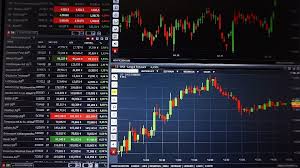
Technical analysis involves studying historical price charts and patterns to forecast future price movements. Traders use various tools, such as trend lines, support and resistance levels, and technical indicators like moving averages and the Relative Strength Index (RSI), to make informed trading decisions.
2. Fundamental Analysis
Fundamental analysis focuses on the economic factors that influence currency values. Traders must keep an eye on key economic indicators, such as GDP, employment reports, and interest rates, as these can have a significant impact on currency movements. Additionally, geopolitical events and central bank policies can also affect market dynamics.
3. Sentiment Analysis
Market sentiment reflects the overall attitude of traders towards a particular currency pair. Sentiment analysis involves gauging market sentiment through various indicators, such as the Commitment of Traders (COT) report and social media sentiment. Understanding market psychology can provide valuable insights into potential price movements.
4. Risk Management
Risk management is a critical aspect of successful trading. Traders should always apply risk management techniques to protect their capital. This can include setting stop-loss orders, diversifying trading positions, and only risking a small percentage of their trading capital on a single trade.
Choosing the Right Forex Broker
Selecting a reliable forex broker is crucial for your trading success. Here are some factors to consider when choosing a broker:
1. Regulation

Ensure that the broker is regulated by a reputable financial authority. Regulation provides a level of security and assurance that the broker adheres to industry standards.
2. Trading Platform
The trading platform should be user-friendly, reliable, and equipped with necessary features such as real-time charting, technical analysis tools, and support for various trading strategies.
3. Spreads and Fees
Compare spreads and fees charged by different brokers. Lower spreads can significantly impact overall trading costs, especially for active traders.
4. Customer Support
Good customer support is vital. Ensure the broker provides timely support through multiple channels, including live chat, email, and phone.
The Importance of Continuous Learning
The forex market is constantly evolving, and successful traders prioritize continuous learning. Taking advantage of webinars, online courses, and trading seminars can provide valuable insights and enhance your trading skills. Additionally, following market news and developments will help you stay informed about factors that influence currency movements.
Conclusion
Online forex trading presents opportunities for profit, but it also comes with risks. By understanding the market, employing effective strategies, and prioritizing risk management, traders can navigate the complexities of forex trading successfully. Whether you’re a beginner or an experienced trader, continuous learning and adaptability are key to thriving in this dynamic market. Start by choosing the right trading platform and committing to a disciplined trading approach, and you may find success in the exciting world of forex trading.
